
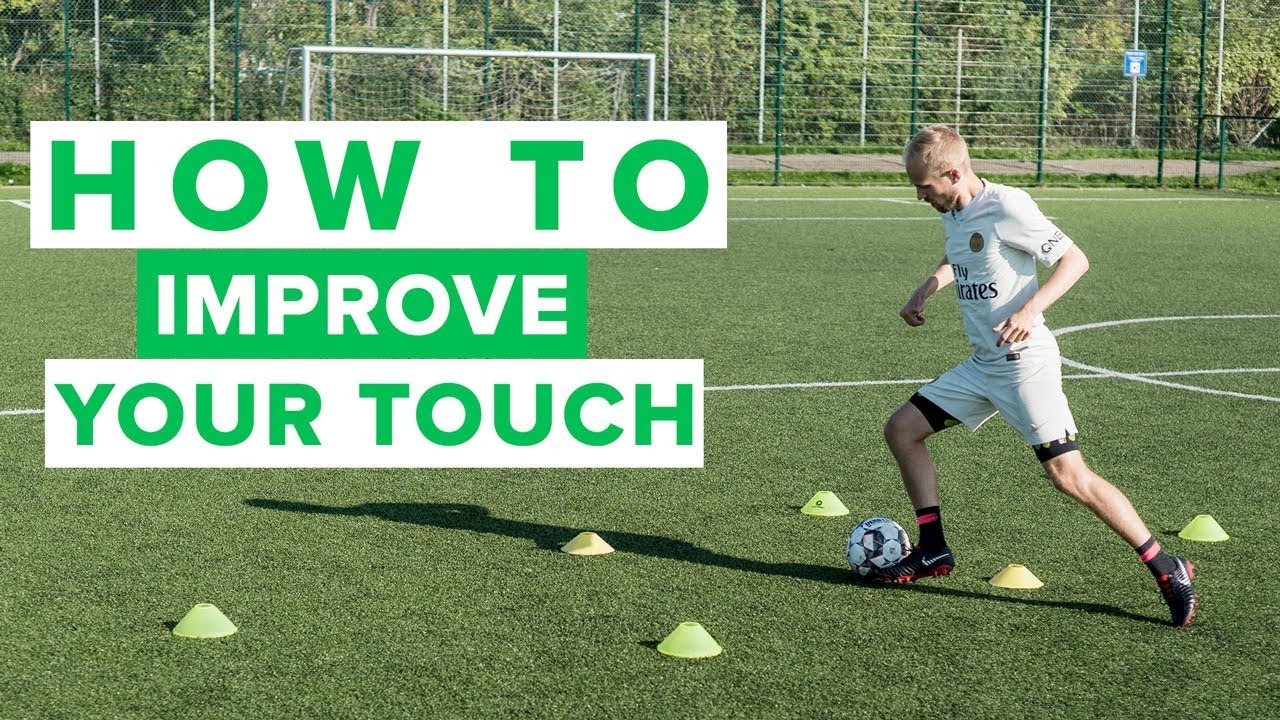
Mastering the Ball: Essential Drills to Improve Your Football Skills
Football, often called “The Beautiful Game,” is a captivating blend of teamwork and individual brilliance. While team strategy and cooperation are vital, the magic truly happens when individual players show incredible skill with the ball – a dazzling dribble, a pinpoint pass, or a powerful shot into the net. For aspiring footballers, the desire to improve is strong, but knowing which drills are most effective or how to practice them consistently can be a challenge.
But don’t worry! This article is your simple guide to understanding the fundamental football skills and provides essential, easy-to-understand drills that you can do almost anywhere, whether you’re alone or with a partner. Consistent practice of these targeted drills is the secret to developing mastery, boosting your confidence on the ball, and unlocking your full potential on the pitch. Get ready to hone your technique and see a dramatic improvement in your game!
Why Individual Skill is Your Foundation in Football (Beyond Teamwork)
While football is a team sport, strong individual skills are absolutely crucial for every player, regardless of their position:
- Foundation for Team Play: A team is only as strong as its individual players. When each player is confident and competent with the ball, team passing becomes smoother, attacks are more fluid, and defense is stronger.
- Boosts Confidence: Mastering a skill, like controlling a difficult pass or dribbling past a defender, directly boosts your confidence, allowing you to play more freely and take intelligent risks during a match.
- Problem-Solving on the Fly: The game is unpredictable. Strong individual skills allow you to handle unexpected situations, control challenging passes, or maintain possession under pressure.
- Unlocks Creativity: When you’re comfortable with the basics, you have the freedom to try new moves, express yourself, and create moments of magic.
- Adaptability: Whether you’re a defender, midfielder, or forward, solid ball control, passing, and dribbling skills are essential for adapting to different game situations and opponent styles.
- Injury Prevention: Proper technique, honed through drills, reduces awkward movements and unnecessary strain on your body, helping to prevent injuries.
Your Essential Football Training Toolkit (Basics)
You don’t need a professional training ground to improve. Here’s what you’ll need:
- Football (Soccer Ball): Make sure it’s the correct size for your age group.
- Cones or Markers: Small cones, plastic bottles, or even shoes work well for setting up drills.
- Wall or Rebounder: Invaluable for solo passing and shooting practice.
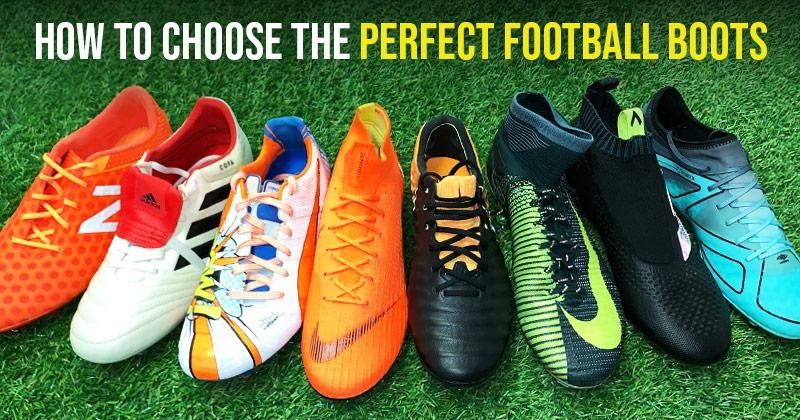
- Comfortable Clothes & Shoes: Football cleats (for grass) or turf shoes (for artificial turf) are best for outdoor practice.
- Water Bottle: Stay hydrated!
- Patience & Consistency: These are your most important tools. Improvement comes with regular effort.
Essential Drills to Improve Your Football Skills
Here are some core skill areas with drills designed for beginners to intermediate players. Aim for 10-15 minutes on each skill area per session, focusing on repetition and proper technique.
1. Ball Control (Foundational Touch)
Good ball control means the ball does what you want it to do, not the other way around. This is the most fundamental skill.
- Drill 1: Tic-Tocs (or Ball Taps)
- What it targets: Light touch, balance, familiarization with the ball, keeping the ball close.
- How to do it: Stand over the ball. Gently tap the top of the ball with the sole of one foot, then immediately with the sole of the other foot, alternating rapidly. Keep the ball practically in place.
- Why it’s important: Develops a light, consistent touch, crucial for dribbling and controlling the ball in tight spaces.
- Beginner Tip: Start slowly. Focus on rhythm and light taps. Don’t let the ball get away from you. Aim for 2-3 sets of 1 minute each.
- Drill 2: Sole Rolls
- What it targets: Ball manipulation with the sole, changing direction quickly.
- How to do it: Place your sole on top of the ball. Roll the ball across your body from one side to the other, following it with the other foot. You can roll it forward and backward too.
- Why it’s important: Teaches control using the sole of the foot, vital for protecting the ball and quick changes of direction.
- Beginner Tip: Practice rolling it back and forth first, then try to integrate a small step to move with the ball.
2. Passing (The Game’s Language)
Passing is how teams connect and move the ball. Accuracy and proper technique are key.
- Drill 1: Wall Passing (Solo)
- What it targets: Accuracy, power, first touch, different passing techniques.
- How to do it: Stand 5-10 meters from a sturdy wall. Pass the ball against the wall using the inside of your foot (for accuracy) and the laces (for power). Receive the rebound and pass again. Vary the power and angle.
- Why it’s important: Develops clean striking of the ball, precision, and quick reception of the rebound (your “first touch”).
- Beginner Tip: Focus on hitting the center of the ball with the center of your foot. Keep your standing foot next to the ball, pointing at the wall. Aim for 2-3 sets of 20-30 passes.
- Drill 2: Two-Touch Passing (With a Partner)
- What it targets: First touch, receiving, passing accuracy, vision, communication.
- How to do it: Stand 5-10 meters from a partner. One person passes the ball (touch 1: receive and control), and the other passes it back (touch 2: pass). Focus on controlling the ball with your first touch so it’s ready for the second touch (the pass).
- Why it’s important: Mimics game situations where you need to receive and then quickly distribute the ball. Improves touch, control, and decision-making.
- Beginner Tip: Focus on cushioning the ball with your first touch so it “sticks” to your foot, allowing for an easy second touch to pass.
3. Dribbling (Moving with the Ball)
Dribbling is how you move with the ball, whether to beat an opponent or to create space.
- Drill 1: Cone Dribbling (Agility & Close Control)
- What it targets: Close ball control, agility, changing direction.
- How to do it: Set up 5-8 cones in a straight line, 1-2 meters apart. Dribble the ball in and out of the cones using the inside and outside of both feet, keeping the ball close.
- Why it’s important: Develops the ability to keep the ball under tight control while navigating obstacles, essential for beating defenders and moving in crowded areas.
- Beginner Tip: Take small, light touches. Keep your head up as much as possible to see the cones (and eventually, defenders). Aim for 3-5 repetitions through the cones.
- Drill 2: Change of Pace & Direction Dribbling
- What it targets: Game-speed dribbling, sudden changes of speed and direction.
- How to do it: Dribble in a small open space. Practice accelerating quickly with a few strong touches, then slowing down. Practice sudden turns (with the inside/outside of your foot or a sole roll) and explosive bursts in a new direction.
- Why it’s important: Mimics beating defenders in a game. Develops the ability to create space and evade opponents by changing speed and direction.
- Beginner Tip: Focus on performing the changes of direction sharply and explosively. Don’t just go in a straight line.
4. Shooting (Scoring Goals!)
The most exciting part of the game! Accuracy and power are key.
- Drill 1: Target Shooting (Accuracy)
- What it targets: Accuracy, hitting the target.
- How to do it: Find a wall or a goal. Place markers (cones, shoes) in the corners of the goal or on the wall as targets. Practice shooting at these targets using the laces of your foot for power and accuracy.
- Why it’s important: Develops the ability to hit the specific areas of the goal where goalkeepers have difficulty saving.
- Beginner Tip: Focus on accuracy first, even if it means less power. Aim for the corners. Use your non-kicking foot beside the ball, pointing at the target. Aim for 3 sets of 10-15 shots.
- Drill 2: One-Touch Shooting (With a Partner)
- What it targets: Quick release, reacting to a pass, hitting the ball on the move.
- How to do it: Your partner stands a few meters away and passes the ball to you. As the ball reaches you, take a shot at a target (wall or goal) with one touch, without controlling the ball first.
- Why it’s important: Mimics scoring opportunities in games where you only have one chance to hit the ball quickly.
- Beginner Tip: Start with slower passes from your partner. Focus on getting solid contact with the ball, even if it’s not powerful.
Building Your Football Training Routine
Consistency is the secret to seeing significant improvement.
- Frequency: Aim for 3-4 individual training sessions per week, in addition to any team practices. Even 30-45 minutes per session can make a huge difference.
- Warm-up & Cool-down: Always start with a 5-10 minute light jog and dynamic stretches (arm circles, leg swings). Finish with 5-10 minutes of gentle static stretches.
- Focus on Form: Quality over quantity. Perform drills slowly and correctly first, then gradually increase speed and intensity.
- Progressive Overload: As drills become easy, make them harder. Increase the number of repetitions, shorten rest times, add more cones, or demand higher speed.
- Combine Skills: Once you’re comfortable with individual drills, try combining them (e.g., dribble through cones, then make a pass, then take a shot).
- Record Progress: Keep a simple journal or use an app to track your sessions, reps, and what you’re working on. Seeing your improvement is a great motivator.
Conclusion: Your Journey to Football Mastery
Football is a game of continuous learning and improvement. While teamwork is essential, mastering individual skills like ball control, passing, dribbling, and shooting is the bedrock of every great player. These essential drills provide a clear pathway to honing your abilities, boosting your confidence, and unlocking your full potential on the pitch.

Leave a Reply