
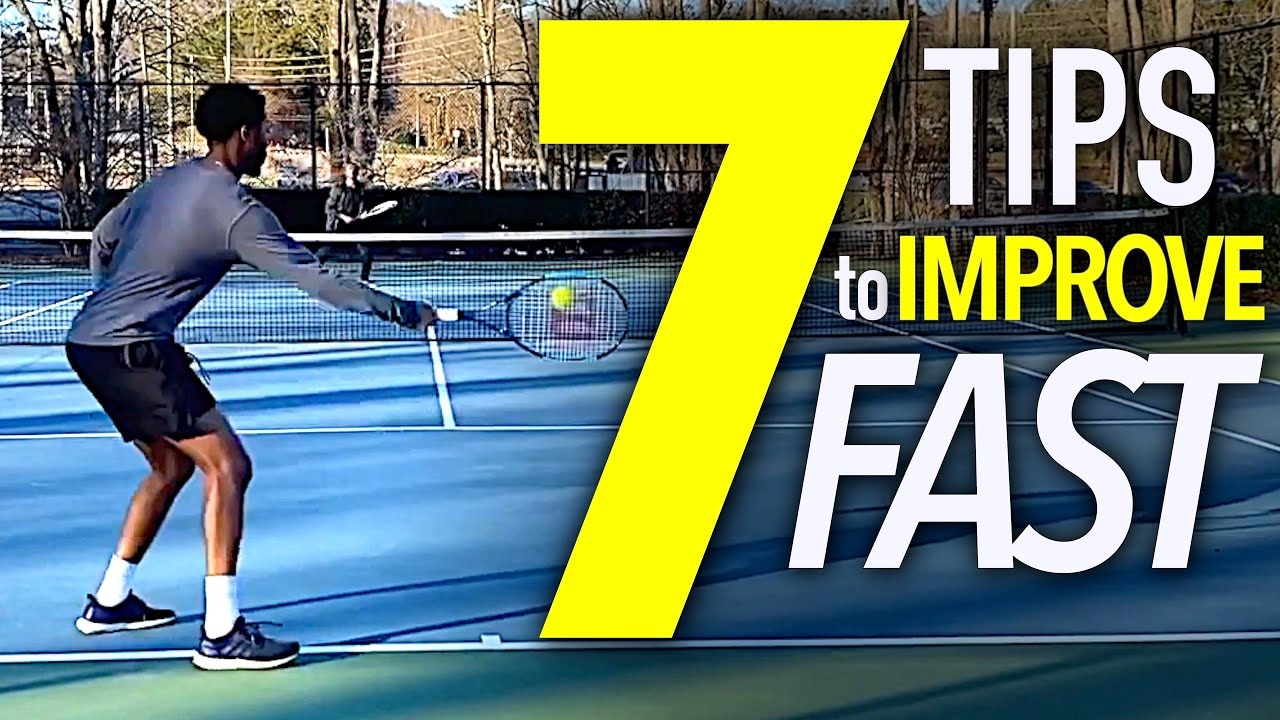
There’s a unique thrill in hitting a tennis ball just right – feeling the satisfying contact, watching it zip over the net with power, and landing exactly where you intended. Whether you dream of hitting powerful serves, precise forehands, or delicate volleys, developing consistent technique is the bedrock of better tennis play. For aspiring players, however, the path to mastering strokes can sometimes feel challenging, leading to frustration.
But don’t worry! This article is your simple guide to understanding the essential techniques for core tennis strokes. We’ll break down crucial aspects of the forehand, backhand, serve, and volley, along with vital movement tips, providing clear, actionable advice you can use to improve consistency, power, and control on the court. Get ready to refine your game, boost your confidence, and truly unlock your full potential in tennis by mastering your strokes!
Why Good Technique is Your Tennis Foundation (Beyond Just Hitting the Ball)
You might be able to hit the ball over the net with any old swing, but good technique offers profound benefits that elevate your entire game:
- Consistency: Proper form means fewer unforced errors. You’ll keep the ball in play more often, giving yourself more opportunities to win points.
- Power & Control: Efficient technique allows you to generate maximum racket head speed with less effort, giving you more power. It also provides the precision needed to control where the ball goes.
- Injury Prevention: Correct technique minimizes awkward movements and unnecessary strain on your joints and muscles (shoulders, elbows, wrists, knees, back), helping to prevent common tennis injuries.
- Efficiency: You’ll use less wasted energy, allowing you to sustain your performance throughout longer matches.
- Confidence: Feeling in control of your shots builds immense confidence, enabling you to play more freely and aggressively when needed.
- Adaptability: With solid fundamentals, you can more easily adjust your strokes to handle different types of balls (fast, slow, high, low, with spin).
- Strategic Options: Better technique opens up a wider array of tactical choices. You can hit winners, angle shots, or create opportunities that were previously out of reach.
Your Essential Tennis Toolkit (Basics for Training)
You don’t need a professional setup, but a few basics will greatly aid your training:
- Tennis Racket: Choose a racket appropriate for your skill level and strength (consider grip size, head size, and weight).
- Tennis Balls: Have plenty! The more balls you have, the less time you spend picking them up.
- Comfortable Tennis Shoes: Crucial! Tennis shoes provide lateral support and proper grip for quick side-to-side movements, helping prevent ankle injuries.
- Cones or Markers: Simple tools for setting up drills and target areas.
- Wall or Rebounder: An invaluable tool for solo practice of all strokes.
- Water Bottle: Stay hydrated during your training sessions.
- Patience & Consistency: These are your most important “tools.” Improvement in tennis technique comes with regular, dedicated effort.
Essential Techniques for Better Tennis Play
Let’s break down the core strokes and techniques you need to master. Focus on one or two areas at a time, practicing them consistently.
1. The Ready Position (Fundamental)
Every great tennis player returns to a balanced, alert ready position between shots. It’s your starting point for all movement.
- What it targets: Balance, quick reaction, efficient movement.
- How to do it: Stand facing the net (or slightly angled for doubles). Feet are shoulder-width apart, knees slightly bent, weight on the balls of your feet. Hold your racket out in front of your body with both hands, lightly supporting the throat of the racket with your non-dominant hand. Keep your eyes up and focused on your opponent or where the ball is coming from.
- Why it’s important: Allows you to explode quickly in any direction to get to the ball efficiently. It’s the foundation of good footwork.
- Beginner Tip: After every shot you hit, immediately try to return to this ready position. Make it a habit.
2. Forehand Groundstroke
Often considered the “bread and butter” shot, the forehand is usually a player’s strongest offensive weapon.
- What it targets: Power, control, consistency.
- How to do it (Simplified):
- Unit Turn: As the ball approaches, quickly turn your shoulders and hips away from the net, taking the racket back with both hands.
- Footwork: Step forward with your non-dominant foot (open stance for advanced players).
- Swing: Drop your racket head below the ball, then swing forward and up, meeting the ball in front of your body, usually around hip height.
- Follow-Through: Continue the swing across your body, finishing high over your opposite shoulder.
- Why it’s important: The forehand is used for setting up points, hitting winners, and controlling rallies. A strong forehand is crucial.
- Beginner Tip: Focus on the “unit turn” (turning your body as one unit) and getting the racket back early. Aim for consistency over power initially.
3. Backhand Groundstroke (One-handed or Two-handed)
The backhand can be a challenging shot but is vital for a well-rounded game. Most beginners start with a two-handed backhand for more stability and control.
- What it targets: Control, defensive strength, turning defense into offense.
- How to do it (Two-handed, Simplified):
- Unit Turn: As the ball approaches, quickly pivot your shoulders and hips, taking the racket back with both hands.
- Footwork: Step forward with your dominant foot (closed stance is common).
- Swing: Drop the racket head below the ball, then swing forward and up, meeting the ball in front of your body.
- Follow-Through: Continue the swing across your body, finishing high over your dominant shoulder.
- Why it’s important: A solid backhand prevents opponents from constantly attacking your weaker side and allows you to hit effective returns.
- Beginner Tip: Use both hands for stability and focus on rotating your upper body to generate power, not just arm strength.
4. The Serve: The Most Important Shot
The serve is the only shot in tennis where you have complete control. It’s crucial for starting points strongly and can be a major weapon.
- What it targets: Power, accuracy, consistency, creating a scoring advantage.
- How to do it (Simplified):
- Toss: Toss the ball consistently high enough so you can hit it at your full extension.
- Trophy Pose: Load your body, bringing the racket back and your non-hitting arm up towards the ball.
- Explode Up: Push off your legs and uncoil your body, extending your hitting arm upwards.
- Pronation: As your racket makes contact, rotate your forearm quickly (like turning a doorknob). This generates topspin and power.
- Follow-Through: Finish with your racket across your body, similar to a forehand.
- Why it’s important: A good serve gives you an immediate advantage in the point, either winning it outright (ace) or setting up an easy follow-up shot.
- Beginner Tip: Focus on a consistent ball toss. Practice just the ball toss repeatedly without hitting. Then, practice hitting the ball gently, focusing on making contact at your highest point.
5. The Volley (Net Play)
Volleys are shots hit close to the net before the ball bounces. They are used to quickly finish points.
- What it targets: Quick reactions, precision, putting pressure on opponents.
- How to do it (Simplified):
- Compact Swing: Don’t take a big backswing. Keep your racket out in front of you.
- Firm Wrist: Keep your wrist firm and slightly cocked back.
- Punch/Block: Meet the ball in front of you and “punch” or “block” it over the net. Don’t swing wildly.
- Footwork: Step towards the ball as you hit it.
- Why it’s important: Volleys allow you to close out points quickly from the net, taking away time from your opponent.
- Beginner Tip: Practice volleys against a wall, focusing on keeping your swing short and your wrist firm.
6. Footwork & Movement
Having great strokes is useless if you can’t get to the ball in time and in a good position.
- What it targets: Speed, agility, balance, efficiency on court.
- How it helps: Good footwork ensures you are always balanced and ready to hit the ball effectively, preventing awkward swings or missed shots. It also helps you cover the court efficiently.
- Practical advice:
- Split Step: A small hop just as your opponent hits the ball, preparing you to explode in any direction.
- Shuffle Steps: Small, quick steps to adjust your position.
- Crossing Over: For faster movement across the court.
- Beginner Tip: Practice the split step religiously. Always land in your split step as your opponent makes contact with the ball.
7. Topspin & Slice (Adding Variety)
Once you’re consistent with flat shots, learning to add spin can elevate your game.
- Topspin: Makes the ball dip sharply after crossing the net and bounce high.
- How it helps: Provides control, keeps the ball in, makes it harder for opponents to hit back. You brush up the back of the ball.
- Slice: Makes the ball float, stay low after bouncing, or curve.
- How it helps: Can be used defensively to buy time, offensively for drop shots, or to change pace. You brush down the back of the ball.
- Beginner Tip: Focus on understanding the basic concept of brushing up (topspin) or down (slice) on the ball. Don’t try to generate extreme spin at first.
Practice Makes Perfect: Building Your Routine
Mastering tennis techniques is a journey of continuous practice and refinement.
- Consistency is Key: Aim for regular sessions, even if they’re short (30-45 minutes). Frequent, focused practice is better than long, infrequent sessions.
- Warm-up & Cool-down: Always start with a light jog and dynamic stretches. Finish with gentle static stretches to improve flexibility and aid recovery.
- Solo Drills: Utilize a wall or rebounder for endless repetitions of serves, forehands, and backhands.
- Partner Drills: Practice rallying with a partner, focusing on consistency and placement.
- Focus on One Thing: Don’t try to fix every aspect of your game at once. Pick one specific technical point to focus on during a session.
- Video Yourself: If possible, video your strokes. Seeing yourself can be incredibly helpful for identifying areas for improvement.
- Work with a Coach: A qualified tennis coach can provide personalized feedback, identify flaws, and give you specific drills tailored to your needs. This is the fastest way to improve.
Conclusion: Your Journey to Tennis Mastery
Tennis is a beautiful and challenging sport that rewards dedication to technique. By focusing on mastering your basic ready position, powerful forehands, reliable backhands, effective serves, quick volleys, and efficient footwork, you lay the groundwork for consistent, controlled, and powerful play.
Remember, improvement is a process of patience and consistent refinement. Embrace every practice session as an opportunity to learn and grow. So, grab your racket, find a court, and start diligently honing your strokes today. Your journey to tennis mastery and a lifetime of enjoyment on the court awaits!



Leave a Reply