
The Beautiful Game: A Beginner’s Guide to Understanding Football (Soccer)
Around the world, it’s known as “The Beautiful Game.” From the thunderous roar of stadium crowds during the World Cup to a simple kickabout in a park, football (or soccer, as it’s known in some countries) is a global passion, uniting billions of fans. Its simple core concept is easy to grasp, but for newcomers, the intricate rules, player positions, and fast-paced strategies can sometimes feel like a complex puzzle.
If you’ve ever watched a match and wondered what “offside” means, why players swap positions, or how teams decide where to put their players, you’re in the right place. This article is your simple guide to understanding football. We’ll demystify its basic rules, explain the key roles players perform, clarify how a game is played, and touch upon common strategies, all in easy-to-understand language. Get ready to unlock the excitement and appreciate the true brilliance of this dynamic, strategic, and thrilling sport!
The Absolute Basics: What’s the Goal?
At its very core, football is a game played between two teams, each with 11 players. The main objective is wonderfully simple:
- Score Goals: The primary goal is to get the ball into the opponent’s net, which is called scoring a “goal.”
- How to Score: Players typically use their feet to kick the ball. They can also use their head or chest to control or pass the ball. The only player allowed to use their hands (and only in a specific area) is the goalkeeper.
- Winner: The team that scores the most goals by the end of the game wins!
Football is played on a rectangular field, often called a pitch, with a goal net at each end. The game is divided into two 45-minute halves, making a total of 90 minutes of regular play. An additional period, called “injury time” or “stoppage time,” is often added at the end of each half to make up for time lost due to injuries or substitutions.
The Players: Understanding the Roles (Positions)
Each of the 11 players on a team has a specific role, contributing to the team’s overall strategy. Think of them as different parts of a well-oiled machine, working together.
- Goalkeeper (GK):
- Role: The last line of defense. Their main job is to protect the goal and stop the opposing team from scoring.
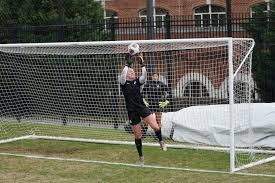
- Key Action: They are the only player allowed to use their hands to touch the ball, but only within their designated penalty area (the large rectangular box in front of their goal). They also organize the defense and distribute the ball after a save.
- Defenders:
- Role: These players primarily stay near their own goal to prevent the opponent’s attackers from scoring. They try to tackle (take the ball from) opponents and clear the ball away from their goal.
- Types:
- Center-backs: Strong, often tall players who play in the middle of the defense, dealing with central attackers.
- Full-backs (or Wing-backs): Play on the sides of the defense. They defend wide players but also often run forward to help with attacks.
- Midfielders:
- Role: Midfielders are the “engine room” of the team. They link the defense and attack, controlling the middle of the field. They win the ball back, distribute it to attackers, and help defend.
- Types:
- Central Midfielders: Play all over the middle, helping both offense and defense.
- Attacking Midfielders: Play closer to the forwards, focusing on creating scoring chances.
- Defensive Midfielders: Play closer to the defenders, focusing on breaking up opponent attacks.
- Forwards (Strikers/Attackers):
- Role: These players are the main goal-scorers. They spend most of their time near the opponent’s goal, trying to find opportunities to shoot and score.
- Key Action: Their primary job is to create and convert scoring chances.
Teamwork: It’s crucial to remember that while players have specific roles, football is a team sport. All 11 players work together, covering for each other, passing, defending, and attacking as a cohesive unit.
How the Game is Played: Key Actions & Rules
The game flows with a series of actions, restarts, and rules designed to keep play fair and exciting.
- Kick-off:
- Action: The game starts (and restarts after a goal or at the beginning of the second half) with a “kick-off” from the center spot. A player kicks the ball forward to a teammate.
- Moving the Ball:
- Passing: Players move the ball to teammates using various kicks (short, long, precise) or even their head or chest. Effective passing is vital for team play.
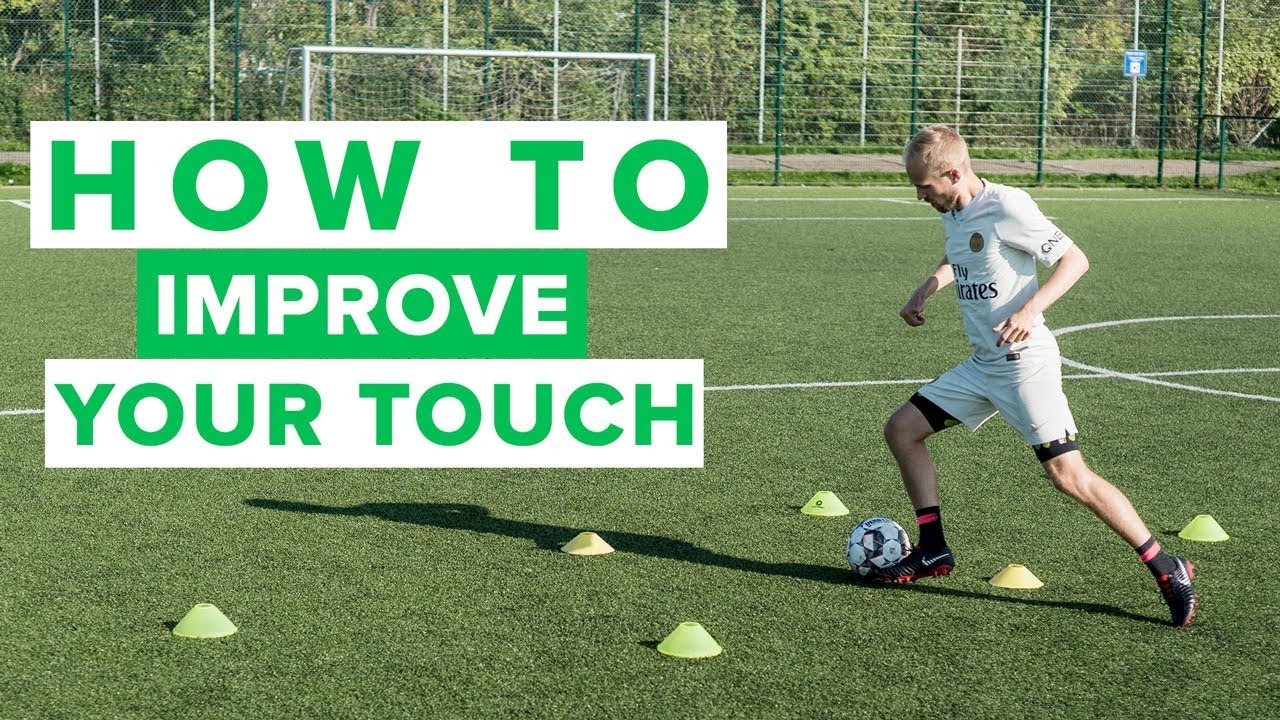
- Dribbling: A player moves the ball by gently kicking it forward while running, maintaining close control. This allows them to advance the ball, beat opponents, or create space.
- Shooting: When a player is in a good position near the opponent’s goal, they will take a powerful kick to try and score.
- Taking the Ball from an Opponent:
- Tackling: A player tries to take the ball from an opponent using their feet, without touching the opponent first or endangering them. It requires skill and timing.
- Restarts (When the Ball Goes Out of Bounds):
- Throw-in: If the ball goes completely over the side lines (called “touchlines”), the opposing team gets a “throw-in.” The player must stand with both feet on the ground outside the line and throw the ball over their head with both hands.
- Corner Kick: If the defending team kicks the ball over their own goal line (but not into their own goal), the attacking team gets a “corner kick.” The ball is placed in the corner of the field and kicked towards the goal.
- Goal Kick: If the attacking team kicks the ball over the opponent’s goal line (and it doesn’t go into the goal), the defending team gets a “goal kick” from inside their own penalty area.
- Fouls & Free Kicks:
- Fouls: These are illegal actions that break the rules, such as tripping, pushing, holding, or a player (other than the goalkeeper) touching the ball with their hand or arm (“handball”).
- Free Kick: If a foul occurs, the opposing team gets a “free kick” from the spot where the foul happened. The ball is placed on the ground, and players from the fouling team must stand a certain distance away.
- Penalty Kick: If a defending player commits a foul inside their own penalty area, a “penalty kick” is awarded. This is a powerful shot taken from a specific spot (12 yards from the goal) with only the goalkeeper to beat – a very high chance of scoring!
- The Offside Rule:
- This is often the most confusing rule for beginners. In its simplest form: A player is offside if they are closer to the opponent’s goal line than both the ball and the second-to-last defender when the ball is played to them. The idea is to prevent attackers from simply waiting near the opponent’s goal for a pass.
- Simplified: You generally can’t receive a pass if you’re standing too far forward (behind the defenders) when the pass is made.
- Cards (Yellow & Red):
- Yellow Card: A warning given by the referee for less serious fouls or unsportsmanlike behavior. Two yellow cards in one game mean a red card.
- Red Card: A direct expulsion from the game for a very serious foul or repeated offenses. The player must leave the field, and their team plays with one less player for the rest of the match.
Understanding the Flow: Basic Strategies & Tactics
Football isn’t just about individual skill; it’s a game of strategy, constantly changing.
- Formations:
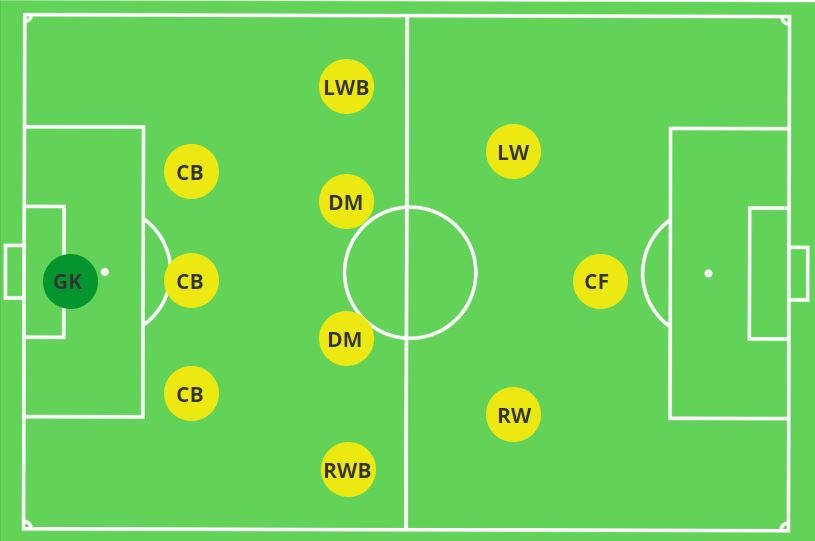
- Teams arrange their players in specific setups called “formations” (e.g., 4-4-2, 4-3-3, 3-5-2). The numbers represent the number of defenders, midfielders, and forwards.
- Why it matters: Formations define whether a team is more defensive (more defenders, like a 5-4-1) or more attacking (more forwards, like a 4-3-3). The captain or coach decides this before the match.
- Offense:
- Possession: Teams try to keep the ball, passing it around to control the game and find openings.
- Attacking Wings: Using fast players on the sides of the field to run with the ball and deliver crosses (passes) into the penalty area for forwards to score.
- Through Balls: A pass that goes “through” the defenders, allowing an attacker to run onto it and get a scoring chance.
- Defense:
- Man-Marking: Each defender is assigned a specific opposing attacker to follow closely.
- Zonal Marking: Defenders cover specific areas of the field, defending any opponent who enters their “zone.”
- Pressing: The whole team tries to put immediate pressure on the opponent with the ball, forcing them to make a mistake or give the ball away.
- Counter-Attack:
- This is a quick, sudden move from defense to offense. When a team wins the ball back, they immediately try to pass it forward quickly to their attackers before the opposing team can get back into defensive positions.
- Controlling Midfield:
- The midfield battle is often key to winning the game. The team that controls the midfield usually controls the flow of the game, winning balls, creating chances, and breaking up opponent attacks.
The Global Phenomenon: Why Football is “The Beautiful Game”
Football’s universal appeal comes from its unique combination of:
- Simplicity of Core Rules: The main idea (kick a ball into a net) is easy for anyone to understand.
- Accessibility: You can play football anywhere with a ball – no special equipment or elaborate pitch needed for a casual game.
- Drama & Emotion: The game is full of thrilling moments – last-minute goals, incredible saves, dramatic comebacks, and the raw emotion of victory and defeat.
- Teamwork & Individual Brilliance: It perfectly blends the need for cohesive team play with moments of breathtaking individual skill.
- Global Connection: Major tournaments like the FIFA World Cup unite countries and cultures in a shared passion.
Conclusion: Embrace the Beautiful Game!
Football, or soccer, is a dynamic and strategic game that offers endless excitement and drama. While its rules and tactics can seem confusing at first, understanding the absolute basics – the goal, the players’ roles, and the key actions – unlocks a whole new level of appreciation for the sport.
It’s a game where skill, teamwork, and strategy intertwine to create moments of pure brilliance. So, next time a match is on, don’t just watch; try to follow the ball, understand the players’ movements, and appreciate the strategic decisions being made. Pick a team, feel the passion, and you too can fall in love with “The Beautiful Game.”


Leave a Reply